
Transformational Orthodontics
Sleep Apnea
Feel more like yourself.
Sleep apnea can affect your rest, energy, focus, and overall health. At Restore, we look at how your mouth, jaw, tongue, and airway work together so we can help guide you toward more restful sleep.
What to Expect:
We’ll discuss your sleep and breathing, evaluate oral and airway-related factors, and explain possible care options or referrals for sleep testing.
Better Breathing
Deeper Rest
Daily Energy
What is sleep apnea?
Sleep apnea is a sleep-related breathing disorder where breathing is repeatedly interrupted during sleep. These interruptions can keep your body from getting the deep rest it needs, even if you were in bed for a full night.
Signs Sleep Apnea May Be Affecting You
You may benefit from a sleep apnea evaluation if you experience:
Loud Snoring
Waking Up Tired
Morning Headaches
Dry Mouth When Waking
Clenching or Grinding
Daytime Sleepiness
Trouble Focusing
Restless Sleep
For children, signs may also include mouth breathing, restless sleep, bedwetting, behavioral changes, or difficulty focusing.
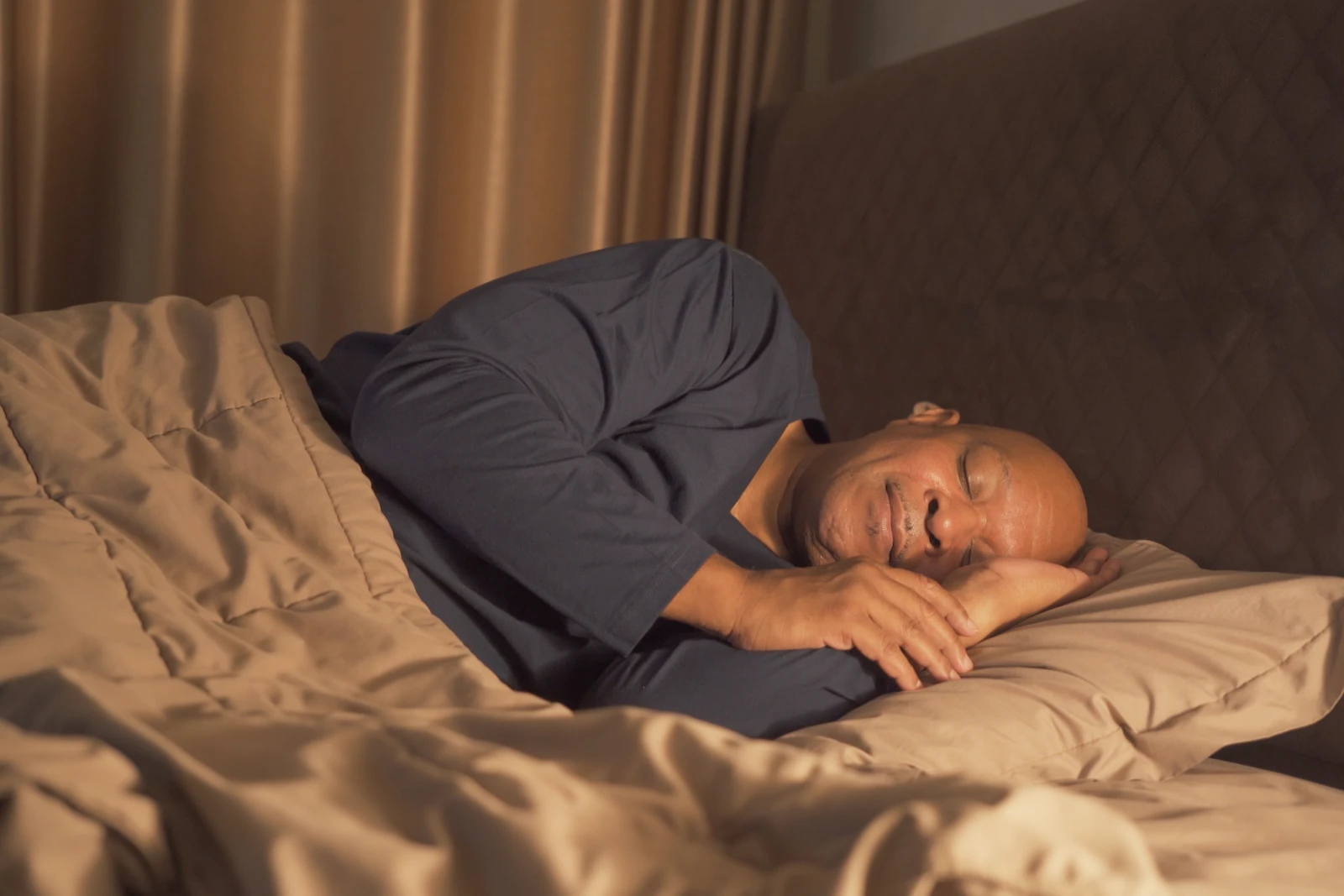
Better sleep supports the whole body
Sleep is when your body repairs, regulates, and restores. When breathing interruptions keep you from reaching deep sleep, it can affect how you feel throughout the day.
Supporting better sleep may help improve energy, mood, focus, and overall well-being.
Signs, Consequences, and Solutions
Our Approach to Sleep Apnea Care
At Restore, we look beyond snoring alone. We evaluate how your airway, jaw position, tongue posture, bite, and oral development may be contributing to poor sleep.
Depending on your needs, your care may include oral appliance therapy, NightLase, orthodontic support, myofunctional therapy, or a referral for a sleep study or medical diagnosis when needed.
Restore can support treatment, but sleep apnea diagnosis often involves medical sleep testing.
The Process
What to Expect With Sleep Apnea Care
Consultation
We talk through your sleep, breathing, snoring, and daily symptoms.
Airway Evaluation
We evaluate how your mouth, jaw, tongue, and airway may be affecting sleep.
Care Options
We explain options like oral appliances, NightLase, orthodontic support, myofunctional therapy, or referral when needed.
Treatment Plan
We create a plan focused on better breathing, comfort, and more restful sleep.
Ongoing Support
We check in on your comfort, treatment progress, and any changes you notice in your sleep or breathing.
Care options that support better sleep
Myofunctional Therapy
Improve tongue posture, breathing patterns, and oral muscle function through guided therapy.
Learn More
Transformational Orthodontics
Clear aligners and orthodontic solutions that improve alignment, function, breathing, and overall wellness.
Learn More
Laser Therapy
Explore precise laser treatment designed to support comfortable, targeted dental care.
Learn More
FAQ
Find answers to common questions about sleep apnea symptoms, testing, and supportive dental care.
Common signs may include loud snoring, gasping during sleep, daytime tiredness, morning headaches, dry mouth, and difficulty concentrating.
Diagnosis generally involves an evaluation by a medical provider and an overnight or home sleep study that measures breathing, oxygen levels, and other sleep activity.
A dentist can evaluate oral and airway-related factors, provide certain prescribed treatments, and coordinate care with a medical or sleep provider.
A custom oral appliance may be prescribed for certain adults with obstructive sleep apnea, particularly when CPAP is not tolerated or an alternative is preferred. Follow-up with both dental and medical providers is important.
Yes. Signs in children may include restless sleep, bedwetting, overactivity, mouth breathing, or difficulty paying attention. A medical evaluation is needed for diagnosis.
Talk with a healthcare provider about your symptoms. They can determine whether a sleep study or referral to a sleep specialist is appropriate.
