


Transformational Orthodontics
Your jaw affects more than chewing. TMJ issues can show up as headaches, facial pain, clicking, popping, neck tension, or a bite that feels off. At Restore, we look at how your jaw, bite, muscles, and airway work together so we can help you find a path toward comfort.
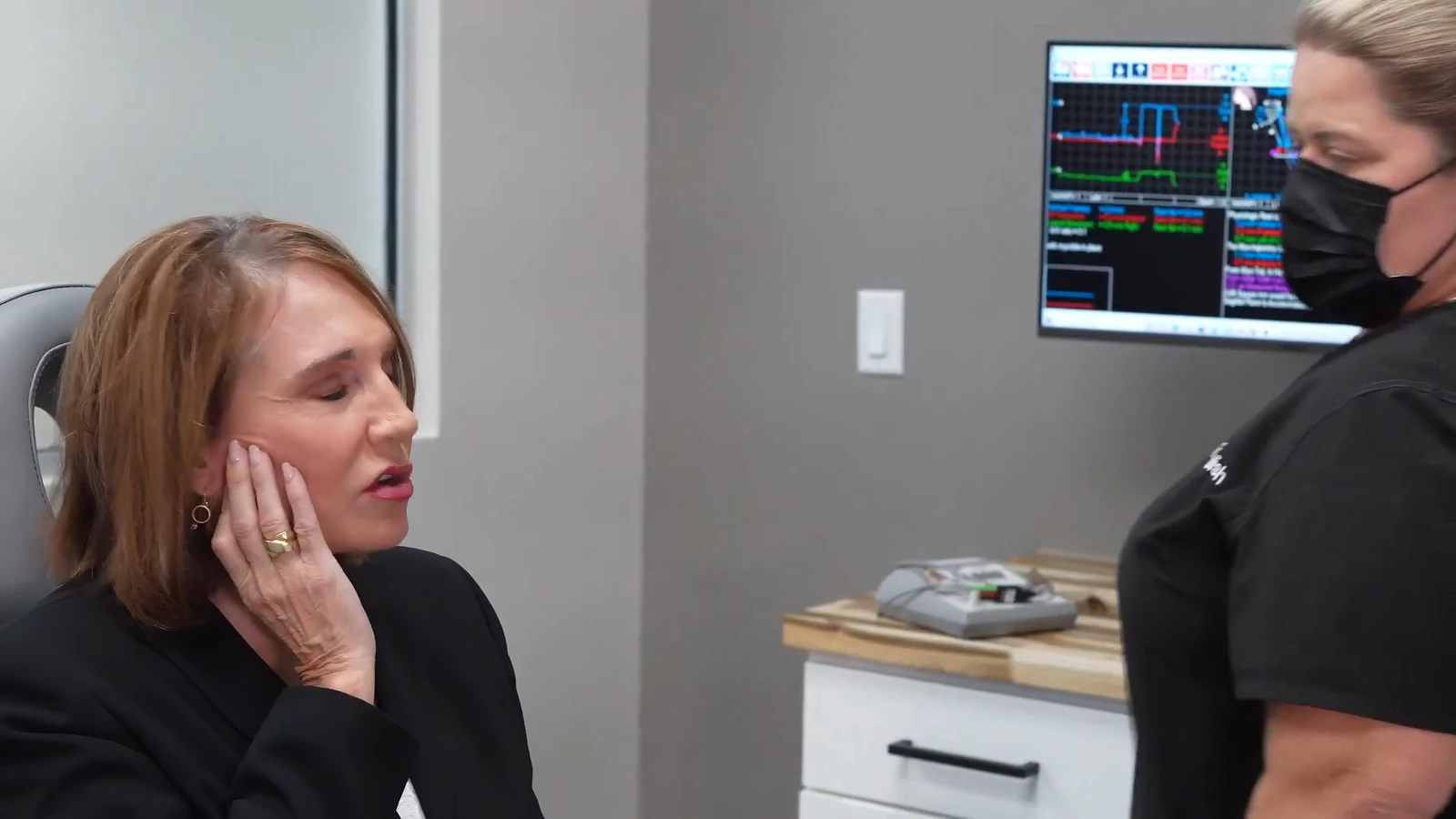
We’ll evaluate your jaw, bite, and muscle tension to understand the source of discomfort and create a plan that supports comfort and function.
Less Tension
Better Function
Balanced Bite
The temporomandibular joints connect your jaw to your skull. TMD refers to conditions that can cause jaw pain or problems with movement, although many people use “TMJ” when describing these concerns.
Jaw pain can be easy to ignore until it starts affecting everyday life. You may notice popping when you chew, soreness in your face or neck, morning headaches, or tension that keeps coming back.
TMJ care at Restore is focused on understanding the source of discomfort, not just masking symptoms. We look at the way your bite, jaw joints, muscles, and overall oral function work together.
Understanding TMJ
You may benefit from a TMJ evaluation if you experience:
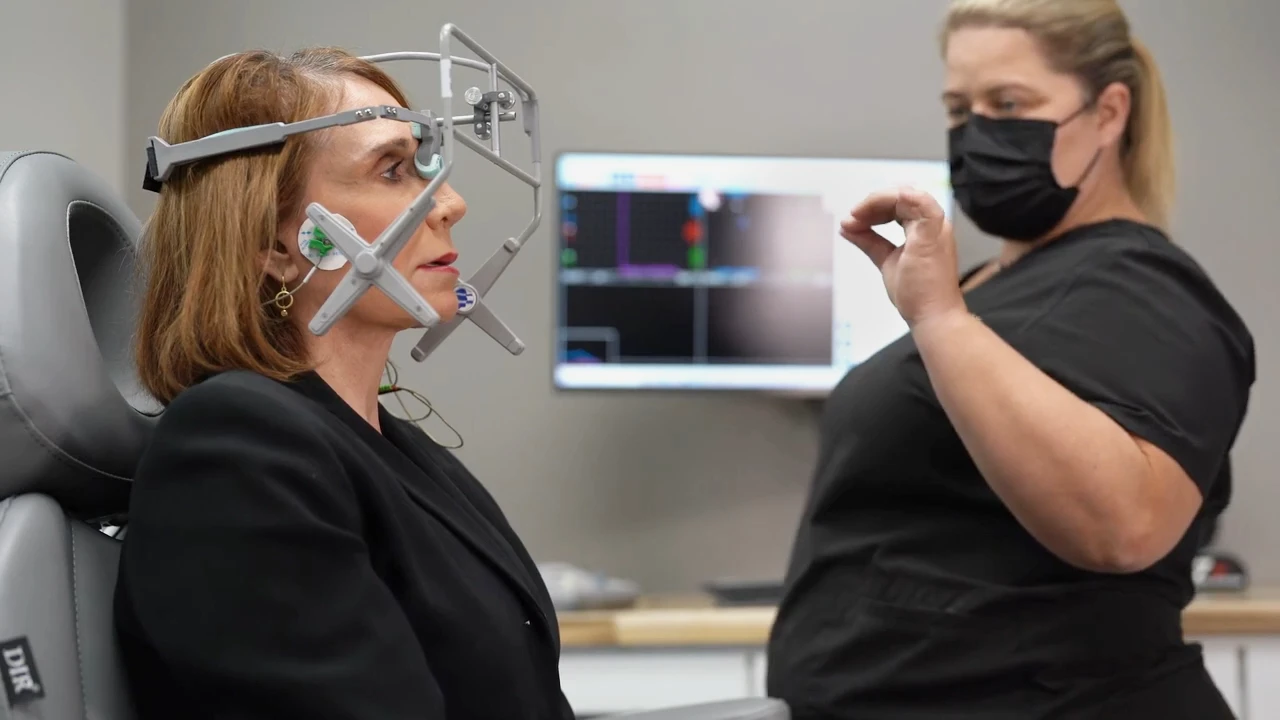
At Restore, we look at the full picture, including your symptoms, jaw movement, muscle tension, bite, tooth wear, and oral function. TMJ discomfort can have different causes, so care should begin with a careful evaluation.
Depending on what we find, we may discuss conservative care, oral appliance therapy, muscle-focused support, or coordination with another provider. We explain your options before treatment begins.
What to Expect With TMJ Care
We talk through your jaw pain, headaches, tension, bite concerns, and symptoms.
We evaluate your jaw movement, bite, muscles, tooth wear, and how everything is working together.
We explain what may be contributing to your discomfort and walk through possible treatment paths.
Your plan may include conservative care, an oral appliance, muscle-focused support, or coordination with another provider.
We check in on comfort, jaw function, and how your symptoms are changing over time.
Care Options That Support Jaw Comfort
Treatment depends on your symptoms and evaluation. We explain conservative options first and recommend care around your specific needs.
Find answers to common questions about TMJ symptoms, evaluation, treatment, and jaw function.
TMJ refers to the jaw joint itself. TMD refers to conditions that cause pain or problems involving the joint and surrounding muscles.
Symptoms may include jaw pain, facial or neck pain, stiffness, limited movement, locking, or painful clicking and popping.
Clicking without pain is common. Painful clicking, locking, or limited jaw movement should be evaluated.
Evaluation may include discussing your symptoms, reviewing your health history, examining jaw movement and tenderness, and using imaging when appropriate.
Treatment depends on the condition and symptoms. Conservative, reversible approaches are generally considered before more involved treatment.
Consider an evaluation for persistent jaw pain, painful clicking, locking, limited movement, or changes in how your teeth fit together.
